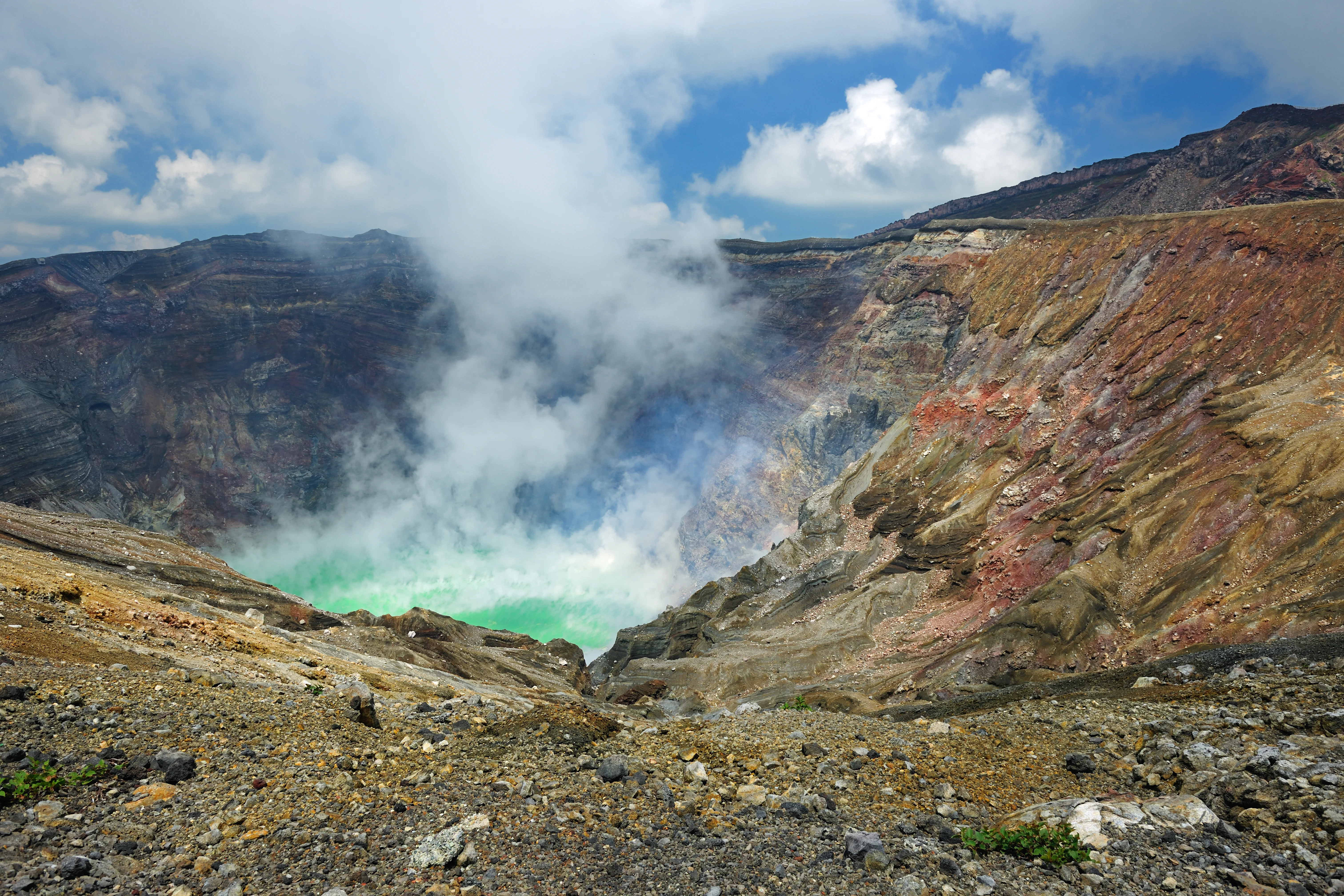
Nakadake Crater
The primary active vent of the Aso volcano, featuring a turquoise, gas-emitting acidic lake. Access depends on real-time volcanic gas levels.
View from the designated concrete observation deck to avoid gas exposure.

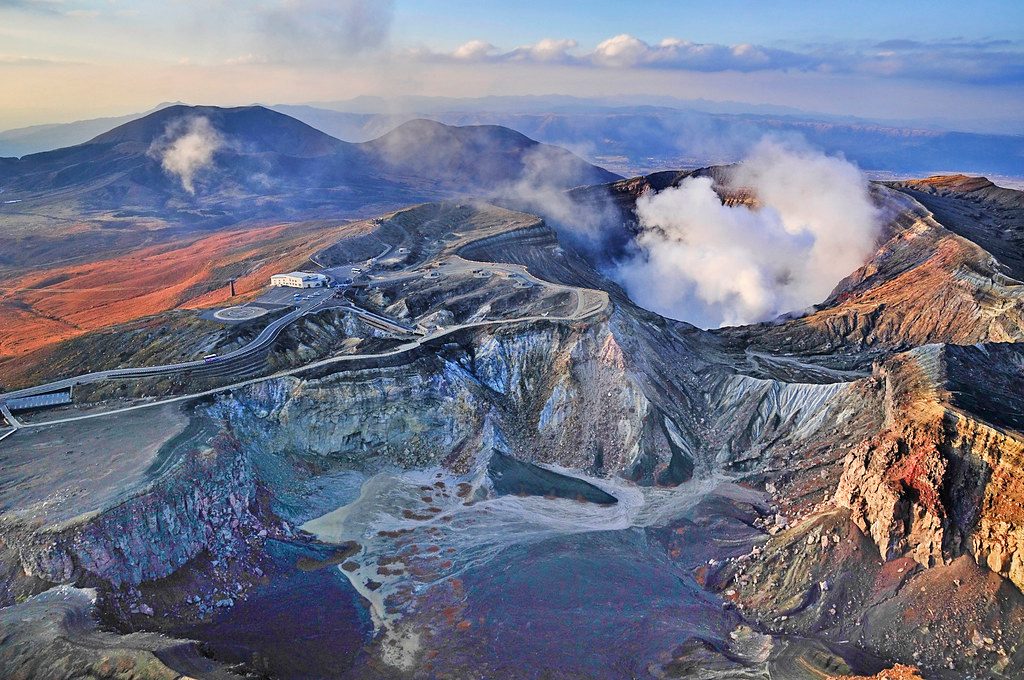
Mount Aso sits 140 kilometers south of Fukuoka, accessible by direct rail and highway bus services. The caldera system remains one of the world's largest active volcanic landscapes, and planning your approach determines whether you reach the crater rim or face closure notices at the base.
Quick answer
Mount Aso from Fukuoka requires 2.5 to 3 hours by train via the JR Kyushu network, or approximately 2 hours 45 minutes by highway bus. The park area opens at 08:30 daily, with the optimal departure window from Fukuoka between 06:00 and 07:30 to secure midday crater access before afternoon volcanic gas restrictions take effect. Free entry applies to the caldera floor; toll road fees are charged for private vehicles approaching the summit zone.
The Aso caldera spans 25 kilometers east to west, a collapsed volcanic chamber that now holds five post-caldera peaks and 50,000 residents within its outer rim. Nakadake crater, the active vent tourists visit, sits at 1,506 meters and releases sulfur dioxide plumes that shift with wind direction—access closes when concentrations exceed safety thresholds, a condition that occurs on roughly 40 percent of afternoons during late spring and summer. Two transport corridors connect Fukuoka to the Aso region. The JR Kagoshima Main Line runs south to Kumamoto, where passengers transfer to the JR Hohi Line for the climb into the caldera via Aso Station. Highway buses operated by Kyushu Sanko depart Hakata Bus Terminal and travel the Kyushu Expressway directly to Aso Station, eliminating the transfer but offering less schedule flexibility. Both routes deliver travelers to the caldera floor; the final 5-kilometer ascent to the crater rim requires the Aso Loop Shuttle Bus during peak season or private vehicle year-round. Crater access operates under a four-tier alert system managed by the Japan Meteorological Agency. Level 1 permits approach to the crater rim observation deck, where steel shelters provide protection during minor gas events. Level 2 restricts access to a 1-kilometer perimeter, closing the ropeway and summit road. Levels 3 and above seal the entire summit zone. Real-time alert status appears on digital boards at Aso Station and the Aso Volcano Museum, located 4 kilometers below the crater. The museum's seismograph displays and thermal camera feeds offer context when the summit remains closed. The toll road to Nakadake charges 800 yen per vehicle and operates from 08:30 to 17:30 daily, weather and volcanic activity permitting. Morning departures from Fukuoka align with the 08:30 park opening and position visitors for midday crater viewing, when thermal updrafts disperse gas concentrations more effectively than the stagnant afternoon air. Return transport from Aso Station to Fukuoka maintains service until 19:00, allowing a seven-hour ground window within the caldera system.
“Nakadake crater releases sulfur dioxide plumes that shift with wind direction—access closes when concentrations exceed safety thresholds, a condition that occurs on roughly 40 percent of afternoons during late spring and summer.”
The best arrival window for Mount Aso from Fukuoka is 08:30–16:00, which offers the highest probability of clear visibility and minimizes the risk of volcanic gas restrictions. Planning your visit within this period ensures you remain aligned with the operational realities of the volcanic area.
Mild, 10°C to 18°C
Clearer skies provide consistent crater visibility for visitors traveling from Fukuoka.
Cool, 8°C to 16°C
The stable weather patterns in autumn reduce the likelihood of afternoon volcanic gas closures.
—
Arriving at 08:30 allows you to experience the site before daily visitor volume peaks and potential gas fluctuations occur.
Verdict: The optimal time to visit is mid-week during April or October, targeting the 08:30 arrival window to maximize both visibility and access.
Mount Aso is located in Kumamoto Prefecture and is best accessed from Fukuoka by combining the Kyushu Shinkansen with local rail or bus services. Most travelers transit through Kumamoto Station to reach the mountain.
Kyushu Shinkansen from Hakata Station to Kumamoto Station
JR Hohi Main Line from Kumamoto Station to Aso Station
Kyushu Sanko Bus from Kumamoto Station to Aso Station
Kyushu Expressway from Fukuoka to Mashiki-Kashima IC
Upon arriving at Aso Station, transfer to the local bus service to reach the Aso Sanjo Terminal. Aim for the 08:30–16:00 arrival window to ensure optimal weather conditions and access to the volcanic area.
Mount Aso maintains consistent daily operating hours to accommodate visitors traveling from Fukuoka. The site is open every day of the week.
Admission to the Mount Aso park area is free of charge for all visitors. Travelers arriving by private vehicle should anticipate potential costs associated with local toll roads.
Verdict: A typical adult pays 0 JPY for park entry, though costs increase if driving a private vehicle due to applicable toll road fees.
Mount Aso offers a range of geological sights centered around its active volcanic caldera. Visitors can explore these distinct zones to observe the crater's activity and the unique landscape of the Aso-Kuju National Park.
The primary active vent of the Aso volcano, featuring a turquoise, gas-emitting acidic lake. Access depends on real-time volcanic gas levels.
View from the designated concrete observation deck to avoid gas exposure.
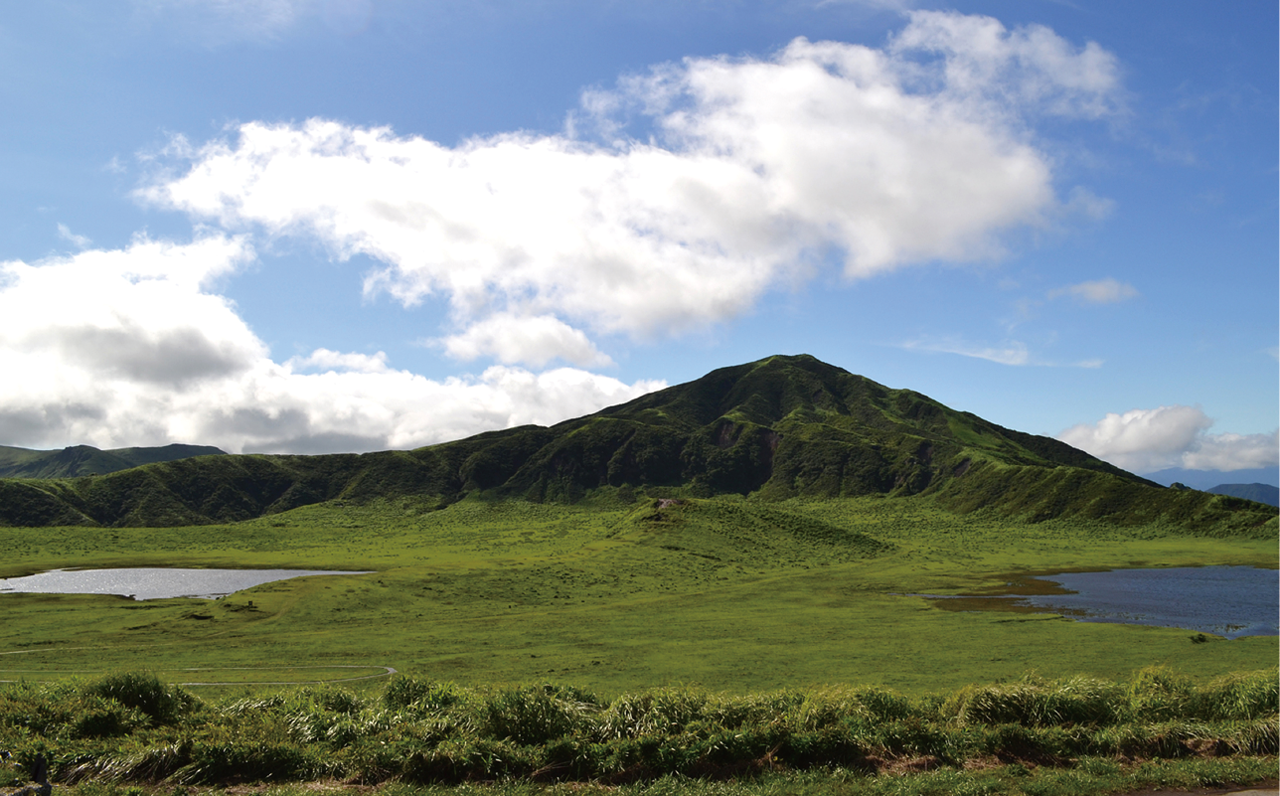
A vast, grassy plain situated between two volcanic cones, featuring two ponds and grazing cattle. It provides a wide-angle perspective of the surrounding crater rim.
Walk the perimeter path for an unobstructed view of the peaks.
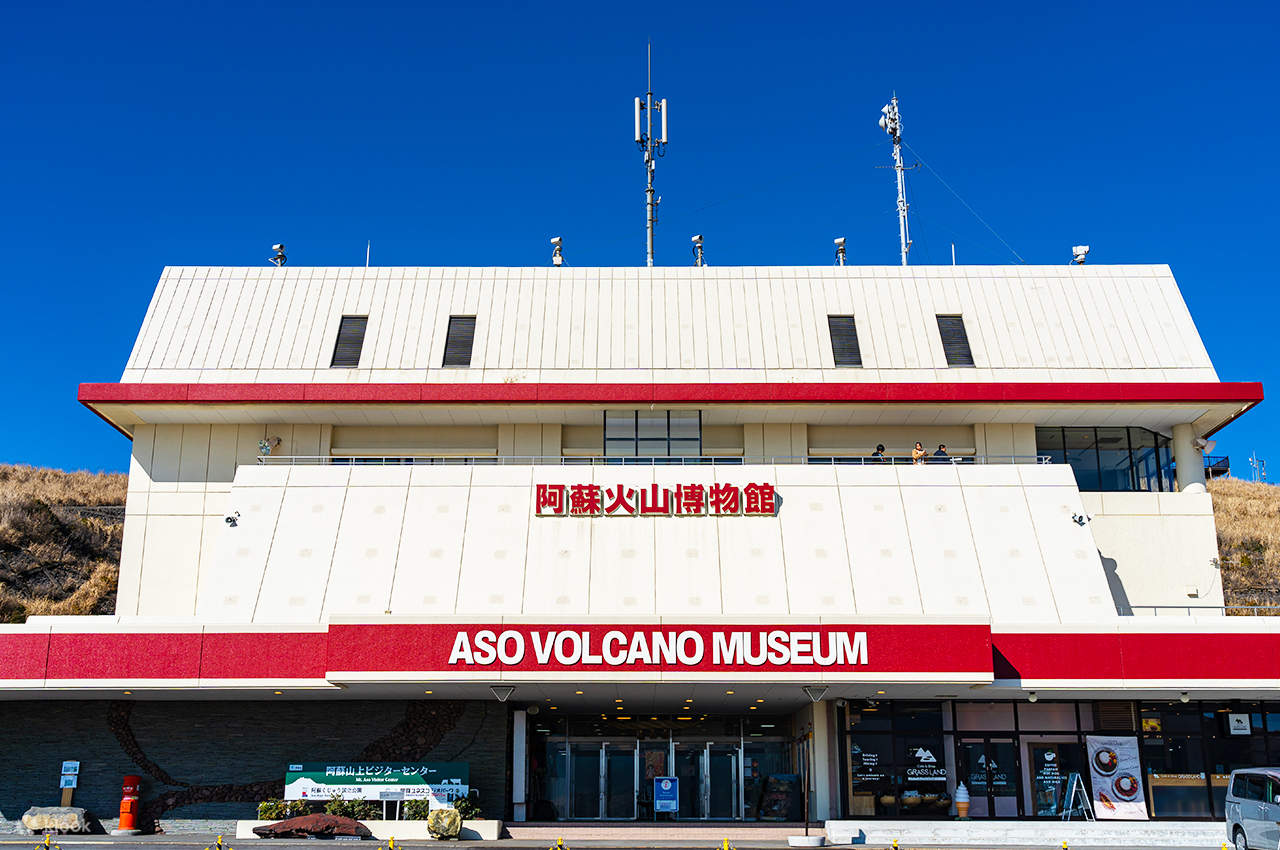
An educational facility located near Kusasenri that displays live footage of the crater and geological history of the region. It serves as a resource for understanding current volcanic conditions.
Watch the live crater feed before heading to the summit area.
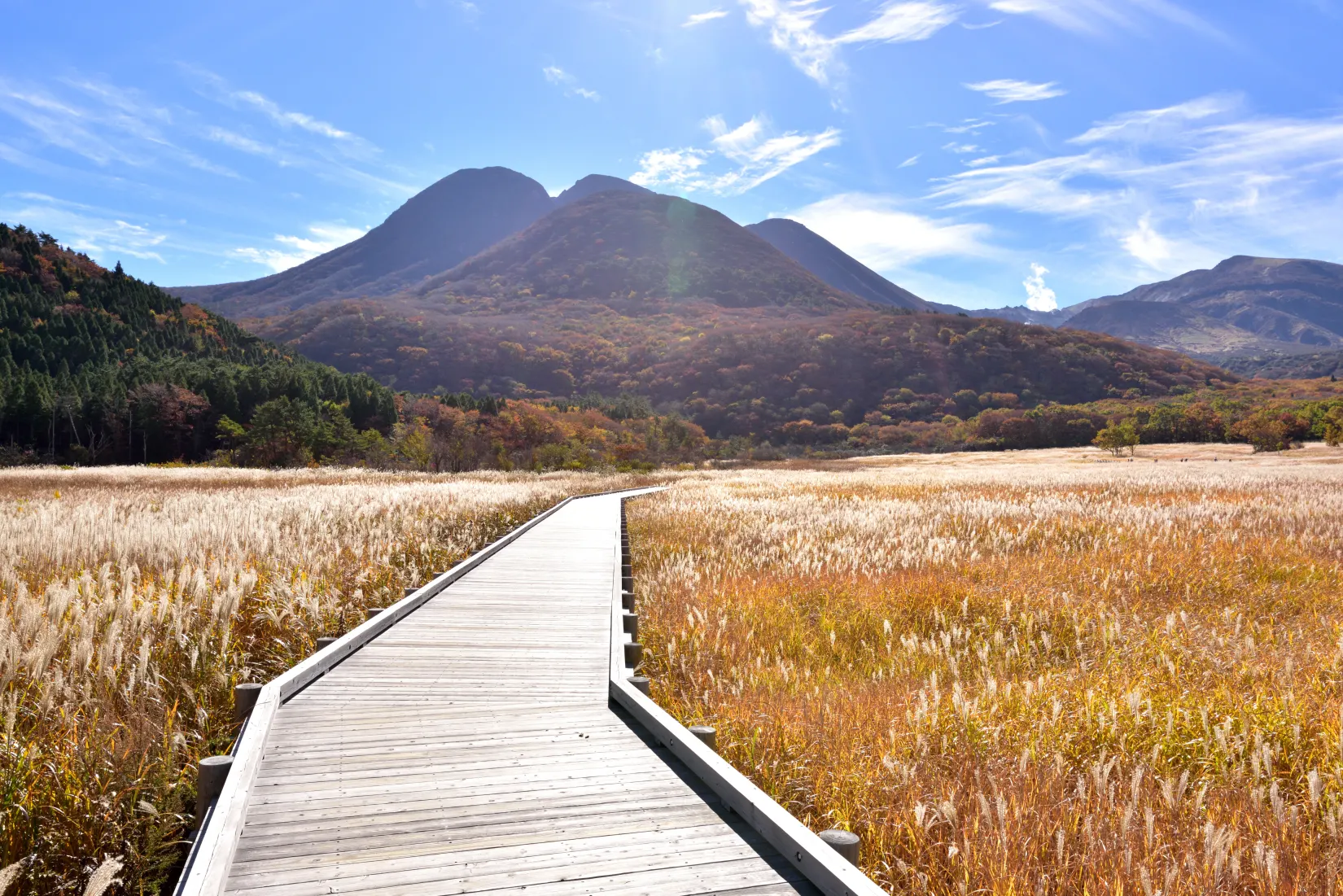
Extensive hiking paths surrounding the central craters that showcase diverse alpine flora and basalt rock formations. These trails offer varying vantage points of the caldera.
Check trail conditions at the visitor center before starting your hike.
Combining your Mount Aso visit with nearby locations within the Aso-Kuju National Park allows for a more comprehensive exploration of the caldera landscape. These spots complement the volcanic terrain by offering expansive views and geological context for your day trip from Fukuoka.
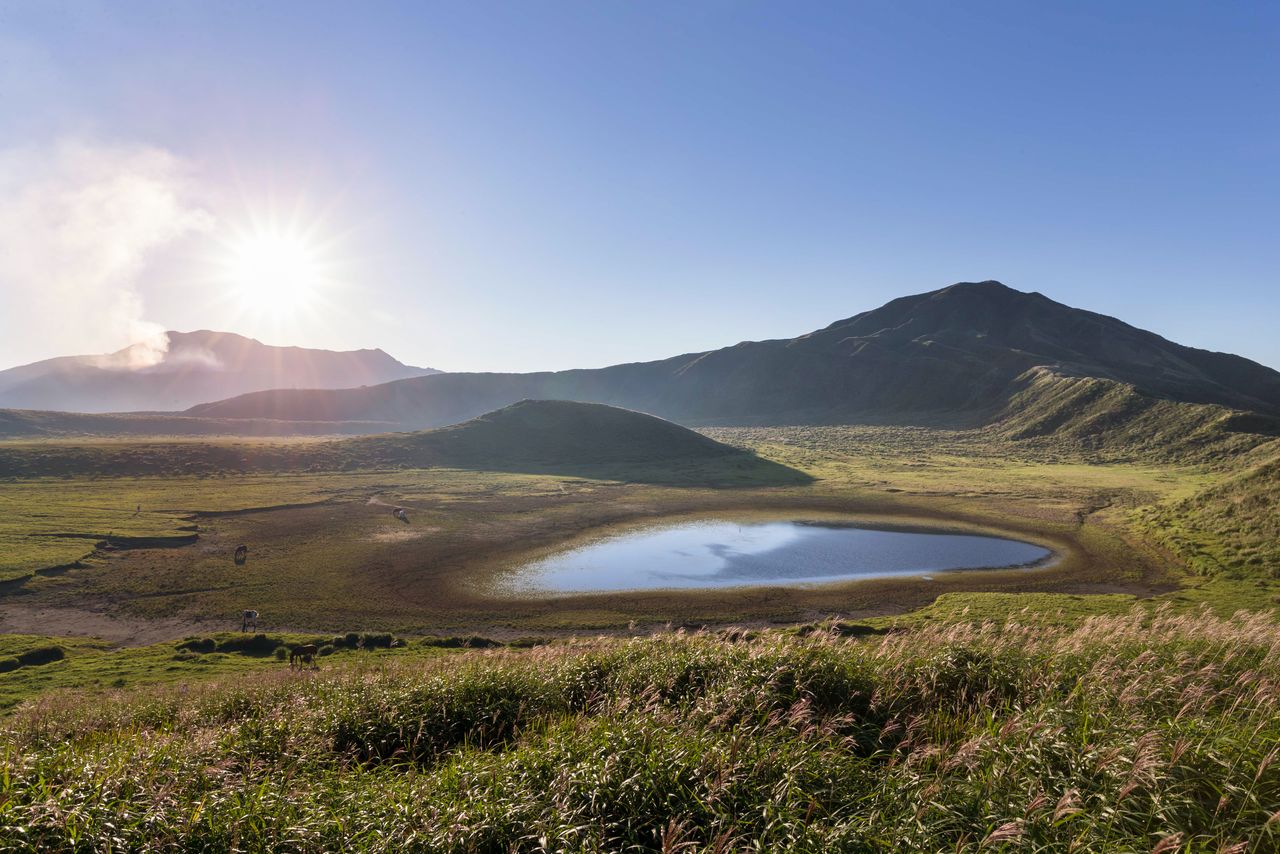
5 min drive
This large grass-covered crater offers horse riding and walking paths that provide a contrasting view of the stark volcanic peaks. It is a natural follow-up for those seeking to experience the caldera's scale after visiting the crater area.
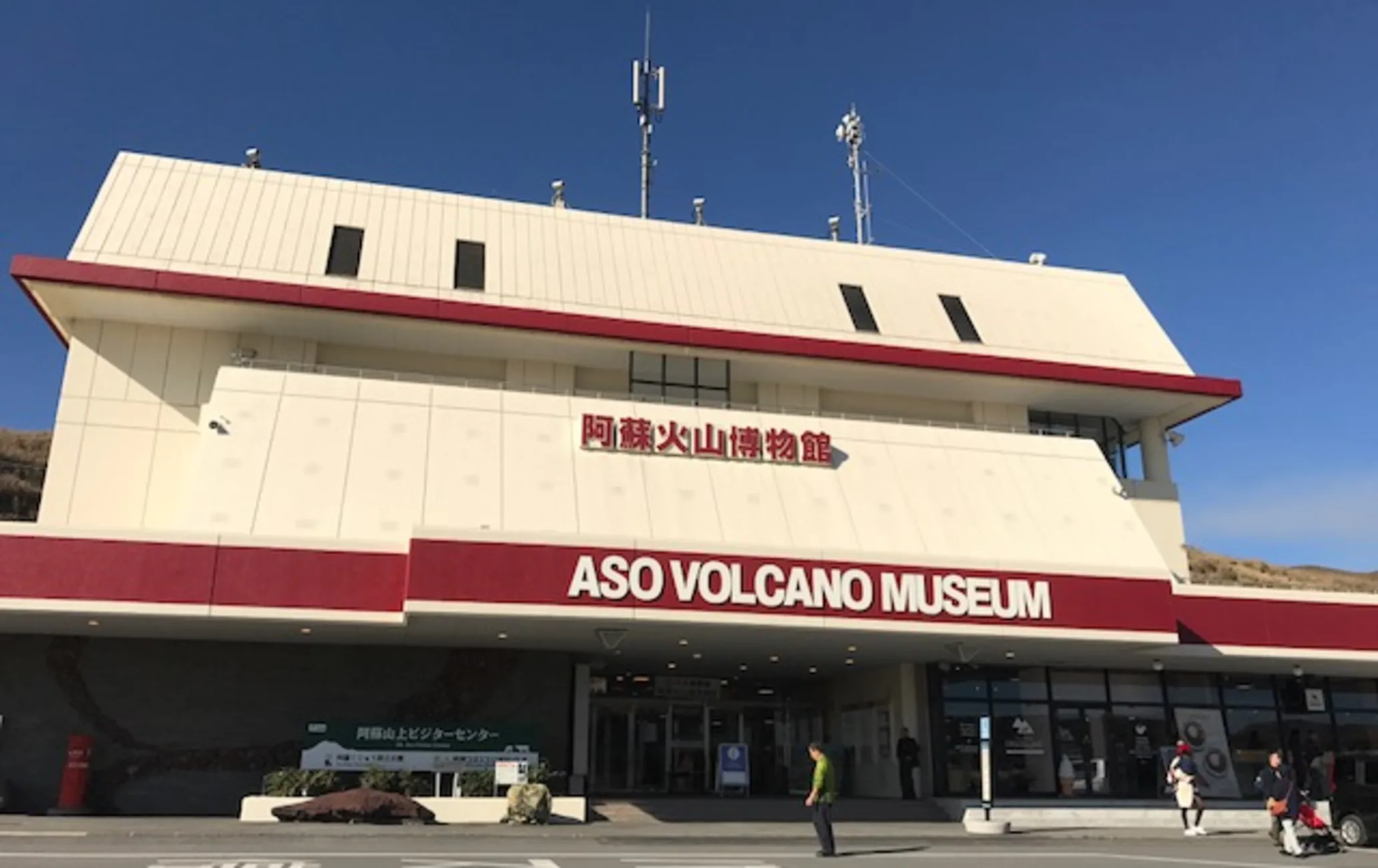
5 min drive
Located directly next to Kusasenri, this facility provides detailed exhibits on the volcanic activity and formation of the Aso caldera. It serves as an informative stop to better understand the geology of the region.
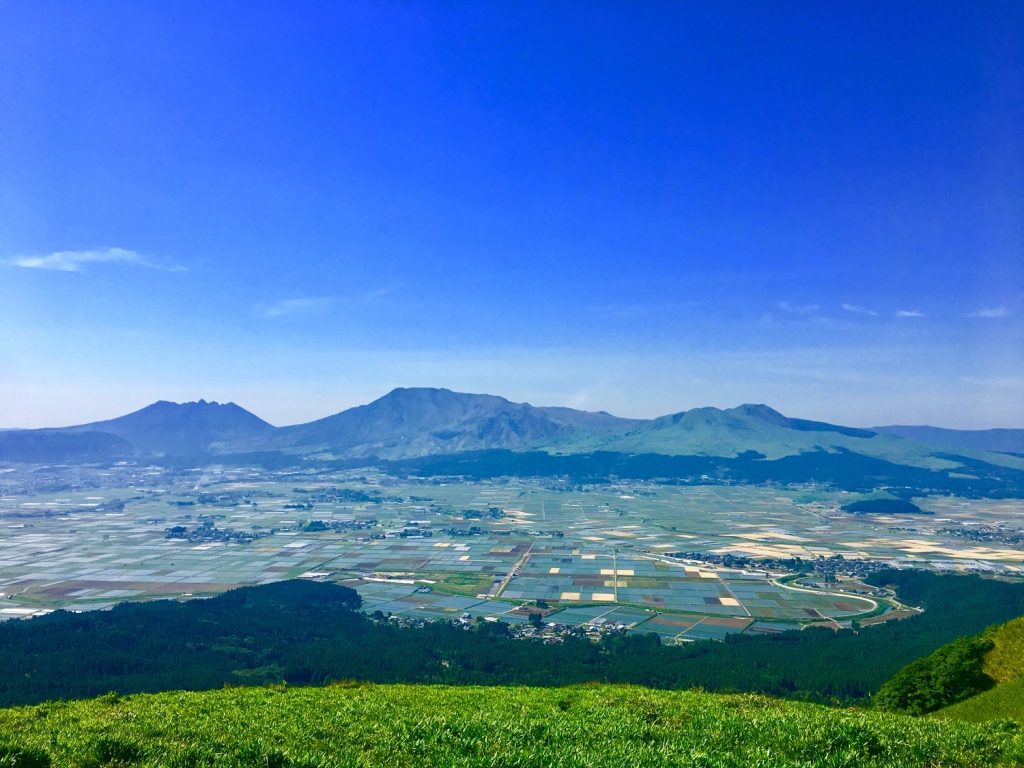
40 min drive
Positioned on the northern edge of the caldera, this viewpoint provides a panoramic perspective of the five peaks of Aso. It is well-situated for travelers heading back toward Fukuoka to witness the caldera shape from a distance.
Everything you need to know about mount aso from fukuoka
You can travel to Mount Aso by taking a Shinkansen to Kumamoto Station followed by a train or bus to the Aso region. Many visitors planning a mount aso from fukuoka itinerary choose to coordinate their transit times carefully to account for the total travel duration.
There is 0 JPY entrance fee for the park area itself. Please note that toll road fees apply if you are traveling via private vehicle to specific points within the park.
The best arrival window is 08:30–16:00 to ensure clearer weather conditions. Arriving during this period helps maximize your time at the site while avoiding potential afternoon closures.
Volcanic activity can lead to temporary access restrictions for safety. It is important to check official updates before your journey to ensure the park is open for visitors.
Yes, public transportation serves the area, though it requires planning your connections between regional trains and local buses. Checking the schedule for a mount aso from fukuoka trip ensures a smoother transition through Kumamoto.
Visiting this major caldera requires monitoring the weather and geological activity levels. Proper preparation for your Kyushu landmark tour ensures you can fully appreciate the unique geology of the region.